I gave up all content for 3 weeks… here’s what happened

Three weeks ago, I made a deal with myself to give up all podcasts, YouTube videos, and any media consumption.
Let me tell you... coming from a girl who used to listen to a podcast to and from working out, while walking my dog, and any other time I was in the car… going from 2–3 a day to none for three full weeks was trickier than I expected.
The reason for this wasn’t because I was scrolling or listening to negative things.
They were sermons.
They were podcasts about how your brain is wired.
They were videos about growth areas in business.
All great stuff, but even good can become too much.
I noticed my brain constantly thinking about things, being overly consumed with what was happening in the world, and it started negatively affecting my focus throughout the day. There was this constant feeling of overstimulation.
So, I made a bet with myself:
Absolutely nothing until Easter was over.
I love learning, so the nerd in me wanted to dive into a podcast the very next day—but I had to stop myself dead in my tracks.
Want to hear the result? Keep reading.
What I think
Want to feel convicted?
Go to your phone settings, scroll to Screen Time, and look at how much time per day is spent on a screen or in some form of consumption mode.
You might be saying,
“But Kels, it’s good stuff.”
“But Kels, I need to stay connected.”
You may be right, but at the expense of what?
Every scroll, trigger, and notification “ding” releases dopamine.Dopamine is your brain’s motivation and reward chemical. The problem is, just like with a drug addiction, you need more stimulation for the same reward as your brain gets used to those dopamine hits.
Watch one video → dopamine
Now watch three videos → same dopamine response over time
Your brain constantly wants more, more, more, but it doesn’t realize how this can negatively affect you over time.
It lowers your motivation for hard things because it’s getting dopamine hits elsewhere.
You start craving easy wins over meaningful effort.
Your brain begins rewiring itself to depend on the scroll, without you even realizing it.
Yes, even good content can negatively affect your dopamine reward system.
So after those three weeks, I’ve felt more clear-headed, more focused, and calmer in my thoughts. I no longer have that constant “on edge, what’s next?” feeling in my body.
This doesn’t mean I have to give up YouTube videos or podcasts forever (I value growth way too much for that).
But it does mean I need to stay disciplined with my boundaries around it.
I told myself I can do one video per week—and I’ll take time to actually reflect on it, process it, and learn… instead of just consuming.
The one degree shift
Limit how many podcasts or YouTube videos you watch per week, or set boundaries on your screen time.
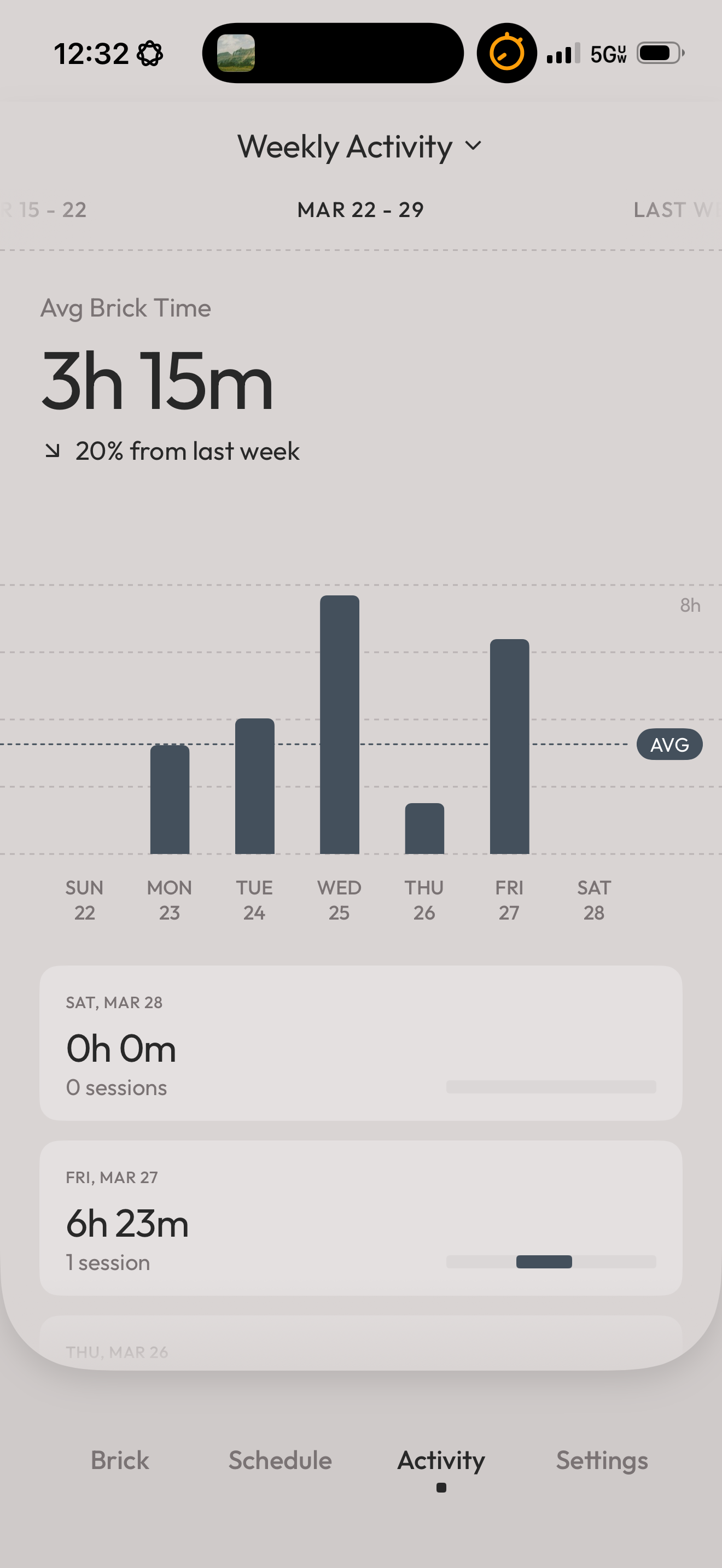
One of my favorite ways to do this is using Brick. It’s a small square device you can place anywhere—tap your phone to it, and it “bricks” certain apps. I can’t override it, which makes it even better.
And no, I don’t have an affiliate code or any reason to promote this—I just genuinely love it.
Want to learn more?
The irony of this part is now I'm going to give you a podcast to listen to to learn...
This past week, I had Jennifer Lawson on, where she talked about mastering your self-talk. This episode was packed with practical tips on becoming a more confident, clear version of yourself.